About
Why Beck Lab
When I was trying to name the lab, I looked for a phrase—or even a minimally tolerable acronym—that could integrate everything we study: personality, persons, time, dynamics, systems, states, and change. There were simply too many P’s, S’s, D’s, and T’s, and every possibility felt forced. Eventually, I landed on Beck Personality Lab, or simply Beck Lab.
At first, I was deeply uncomfortable with it. A lab is a group endeavor, and naming it after myself seemed narcissistic—another way of centering the one person who inherently already has the most privilege. I am the lab’s only permanent full-time member; everyone else must eventually move on to build lives, programs, and intellectual communities of their own. But I consider the people who join this lab lifetime members. It has never felt like something that should belong only to me.
Over time, however, I realized that Beck does not mean only me.
People sometimes assume that I must be descended from Aaron Beck. Once, when I was giving a talk in Pittsburgh, my cousin stood at a baseball game and watched colleagues ask whether my parents were professors. They could not quite make sense of me otherwise. It was neither the first nor last time it happened; just the first with someone who’d witnessed my full life.
But I am not Aaron Beck’s descendant, and I am not the daughter of professors.
I am Farmer Dan and Lisa’s daughter. They showed up for us, again and again, and made the difficult choice to reverse intergenerational patterns rather than pass them forward.
I am Augie and Anna May’s granddaughter. My grandpa Augie laid tile until his fingers bled, including in the Missouri governor’s mansion and in the baptismal font where my sister, my nephew, and I were all baptized. My great-aunt Grace still cries when she tells me how proud he would be. My grandma Anna May was always, unmistakably, herself, until she passed in 2023.
I am Howard and Marjorie’s granddaughter. Grandpa Howard remains such a light in my life: always delighted to hear from me, always asking which “project”—singular—I am working on before turning eagerly to my aerospace-engineer husband to talk about planes. My grandma Marjorie, whom we lost on February 14, 2023, remains a hole in my heart. She was our matriarch and our steady presence. She and Grandpa always showed up. They were so content and so deeply present, inhabiting their lives fully. I try to carry that way of being into my own life every day.
I am Erica’s sister. She was the first person in our family to earn a graduate degree (her joint BA + MSW in 5 years!), and it remains remarkable to me that both of us managed to do so. And I am Augie’s aunt. He gets to watch his aunt inhabit a giant life and then sit down on the floor and play silly games with him. I hope he grows up knowing that these things belong together: that achievement need not require distance, and that a life can be expansive while remaining deeply rooted in the people you love.
I am Aunt Jeannie’s – my bonus grandma’s – great niece, and I carry her curiosity, her love of lifelong learning into spaces she was never allowed to occupy. She loved hearing my adventures, what I was learning until we lost her last year.
Even the D. in my professional name carries this history. My given middle name, Danielle, is for my dad. But the D. I chose to use professionally also stands for Derrieux, my mom’s maiden name. The name under which I publish is itself a genealogy.
Academia often encourages us to narrate ourselves as self-created: as if a scholar simply appeared, propelled by individual intelligence, ambition, and effort. I know better. My presence in every room carries the labor, sacrifices, repaired patterns, love, humor, and particular ways of being that made my life possible. I carry those things into my scholarship, mentorship, and teaching—even when others cannot see them.
The name Beck Lab is therefore not a claim of ownership. It is a dedication.
Administratively, this may be my lab. Intellectually and relationally, it belongs to all the people who pass through it and contribute to what it becomes. And the name belongs to the family whose lives made it possible for me to create and steward such a place.
Beck Lab may be my lab, but it has never been mine alone. It has always been ours.
Principle Investigator
Dr. Emorie D. Beck, PhD, Associate Professor
(she/her)
(see Dr. Beck’s faculty webpage here).
Dr. Beck’s research focuses around the question of what personality is. Definitions have big consequences for how we measure personality, what those measures predict both short- and long-term, how personality is thought to change, and more. One way of doing this is to focus on different levels of aggregation. Thus, she studies how to understand the personality of an individual relative to only themself, relative to some others, and relative to all others.
To do so, she uses a mix of methods, including experience sampling methods, passive sensing, survey data, panel data, cognitive tests, and more measured across time intervals from moments to years along with an array of statistical approaches, including time series analysis, multilevel / hierarchical modeling, machine learning, network psychometrics, structural equation modeling, and more. For example, Dr. Beck has been working to build personalized machine learning prediction of behaviors, experiences, and more, finding that we can predict behaviors and experiences better when we don’t assume that people have the same antecedents of the behaviors and experiences. Instead, people have unique antecedents, which could have consequences for how to change or intervene upon behaviors and experiences.
In other work, Dr. Beck uses longitudinal panel data across multiple continents to answer questions about what personality traits predict over time. For example, she recently examined personality trait and well-being predictors of later dementia diagnoses and neuropathology measures after death, finding that personality traits are strong predictors of dementia diagnosis but have a much more complex relationship with neuropathology measures.
Awards
| Year | Summary |
|---|---|
| 2026 | Rising Star Award, Association for Psychological Science |
| 2025 | Sage Early Career Trajectory Award, Society of Personality and Social Psychology |
| 2025 | College of Letters & Sciences Research Innovation Award, University of California, Davis |
| 2025 | Early Achievement Award, European Association of Personality Psychology |
| 2023 | Walter G. Klopfer Award for the Best Empirical Paper, Journal of Personality Assessment |
| 2022 | Tanaka Dissertation Award Finalist, Association for Research in Personality |
| 2021 | Emerging Scholar Award, Association for Research in Personality |
| 2021 | Dissertation Award Finalist, European Association of Personality Psychology |
Grants
| Year | Summary |
|---|---|
| 2026 | National Science Foundation (DUE-2600565), co-PI ($1,500,000 [direct and indirect costs]), “Developing personalized interventions for procrastination in STEM education” |
| 2026 | National Center for Complementary and Integrative Health R01 (1R01AT013458-01A1; PI: Anthony Ong), PI ($175,025 [direct and indirect costs; UCD subaward only]), “LARKSPUR-mHealth: A Randomized Controlled Trial of a Remotely” |
| 2026 | College of Letters and Science, University of California, Davis, co-PI ($74,106), “A Personalized Map of Alzheimer’s Risk Through Smartphones, Wearables, and MRI” |
| 2026 | Apple Investigator Support Program, co-PI (in-kind research support: 50 Apple Watch devices), “Smartwatch Sleep Tracking and iPhone Screen Time as Digital Risk Biomarkers of Alzheimer’s Disease and Related Dementia” |
| 2025 | National Institute of Aging R01, PI ($3,424,229 [direct and indirect costs]), “Capturing social and cognitive health dynamics as digital risk biomarkers of Alzheimer’s disease” |
| 2024 | National Science Foundation Social Psychology Program, co-PI ($750,000 [direct and indirect costs]), “Testing three competing models for integrating person and situation” |
| 2024 | Society of Hellman Fellows Fellowship Award, PI ($16,000) |
| 2023 | New Research and Scholarship Initiatives and Collaborative Interdisciplinary Research Grant, UC Davis Faculty Senate, PI ($23,482) |
Postdoctoral Fellows
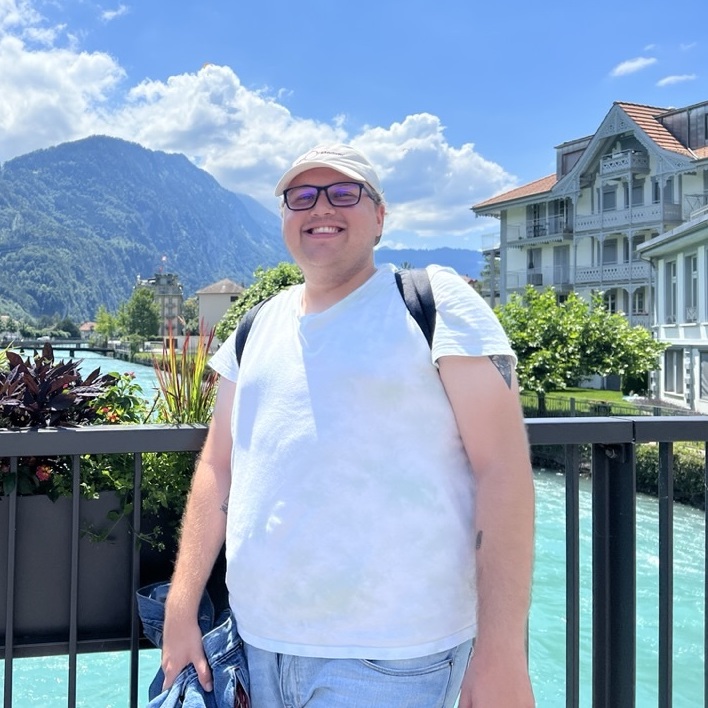
Dr. Adam Nissen, PhD
he/him
Adam is a postdoctoral fellow in the Beck lab. He received his PhD, MA, and BS at UC Davis. He broadly studies personality and well-being change using both nomothetic and idiographic approaches. He is specifically interested in understanding the role of sexual and gender minority experiences and minority stress processes in such patterns of change. When the weight of the world isn’t getting him down, he enjoys going to concerts, breweries and trivia nights with his friends.
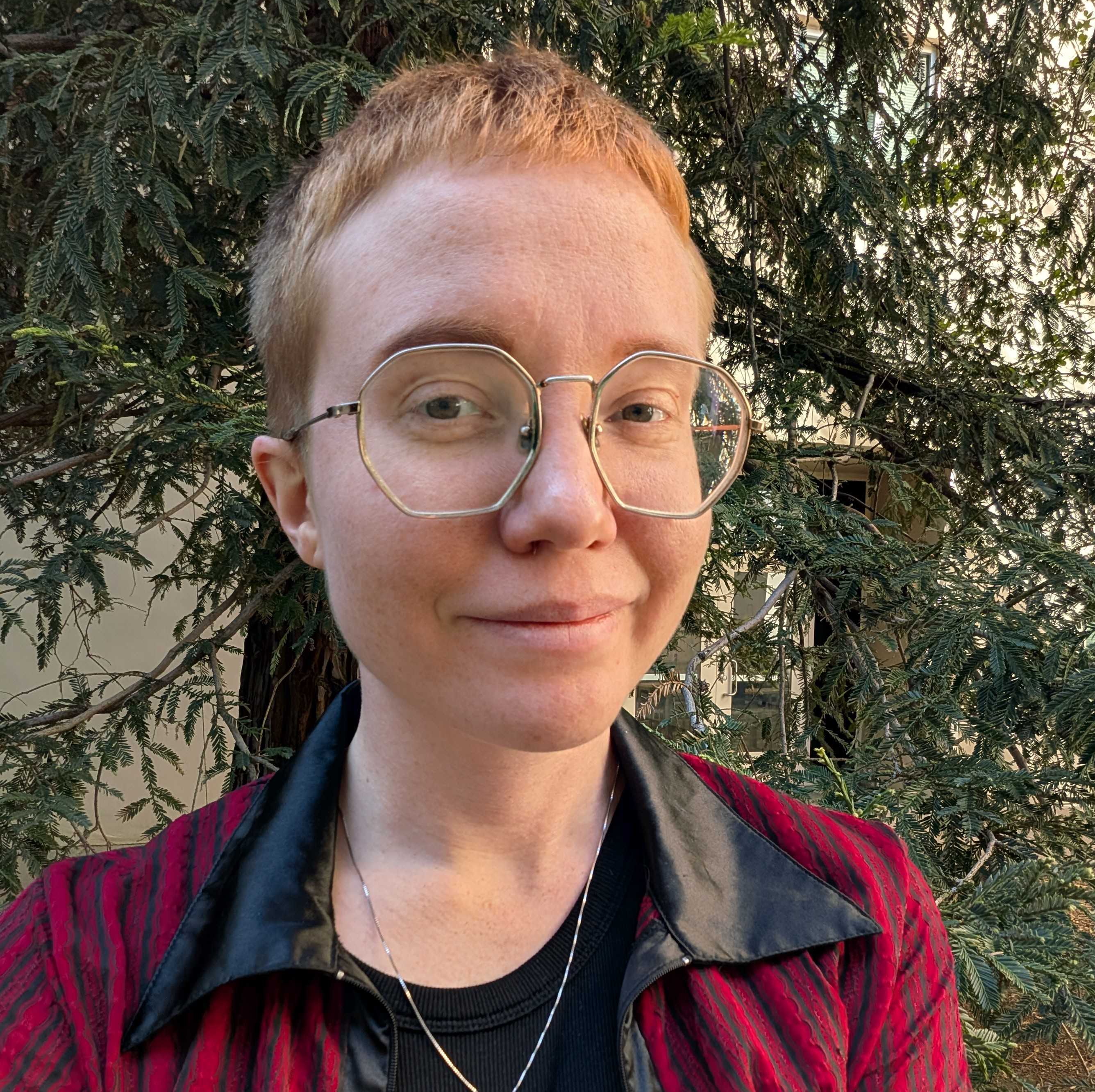
Dr. Elizabeth Long, PhD
she/her
Liz is a postdoctoral scholar in the Beck Lab. Before joining, she completed her BSc, MA, and PhD at the University of Toronto. Broadly, Liz is interested in how people understand themselves and others, and in how these processes can be clarified (or complicated) through the application of bottom-up, person-specific approaches to both personality and person perception. Outside of work, Liz enjoys cities, running, and weird art of any kind.
PhD Students
Winkie Ma
she/her
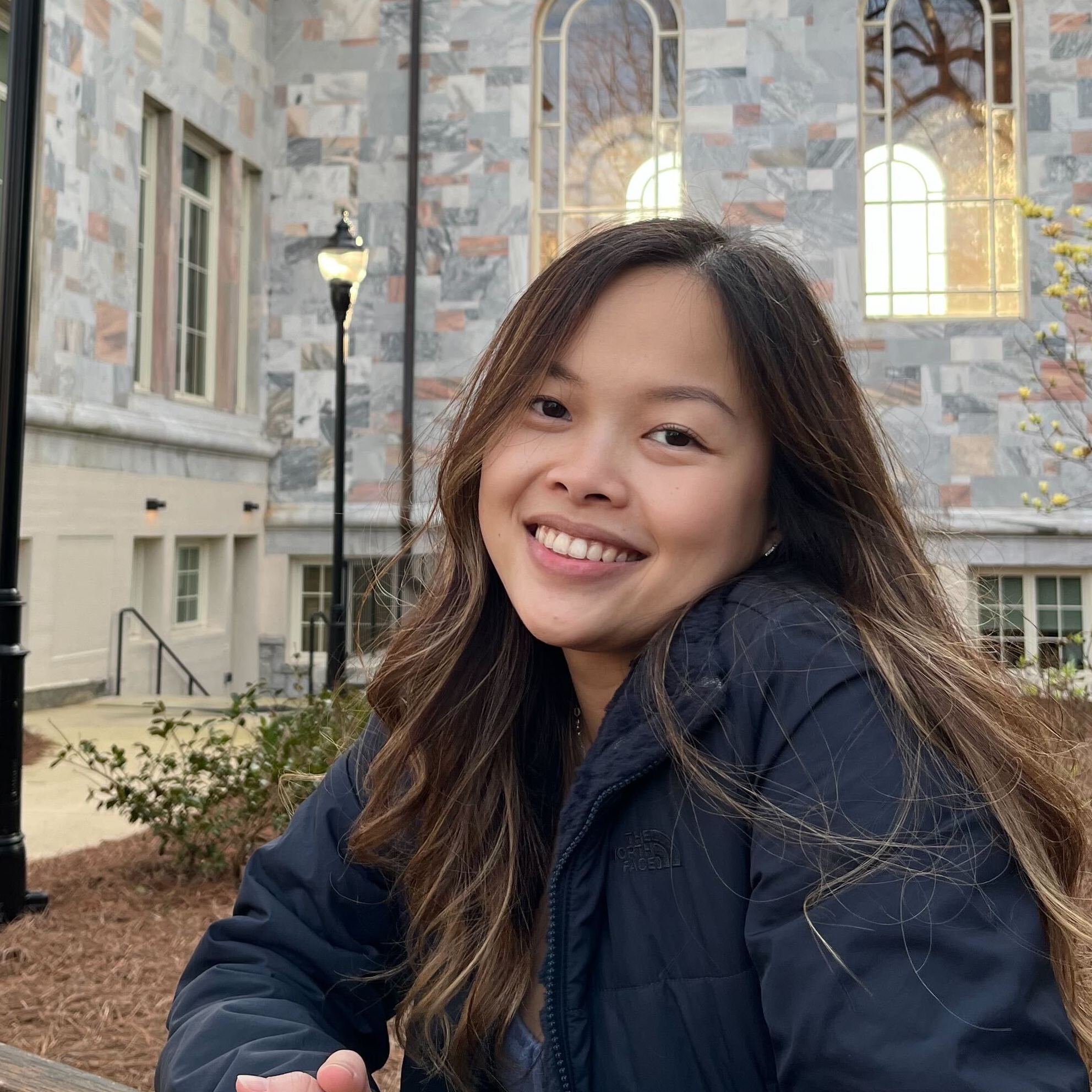
Winkie is a fourth-year PhD student in the Beck Lab. She received her B.A. in Psychology from Emory University in 2021. She is currently investigating the structure, dynamics, change, antecedents, and consequences of narcissism in various sociocultural contexts using a number of both nomothetic and idiographic methods. In her free time, she enjoys rock climbing, backpacking, and creative writing.
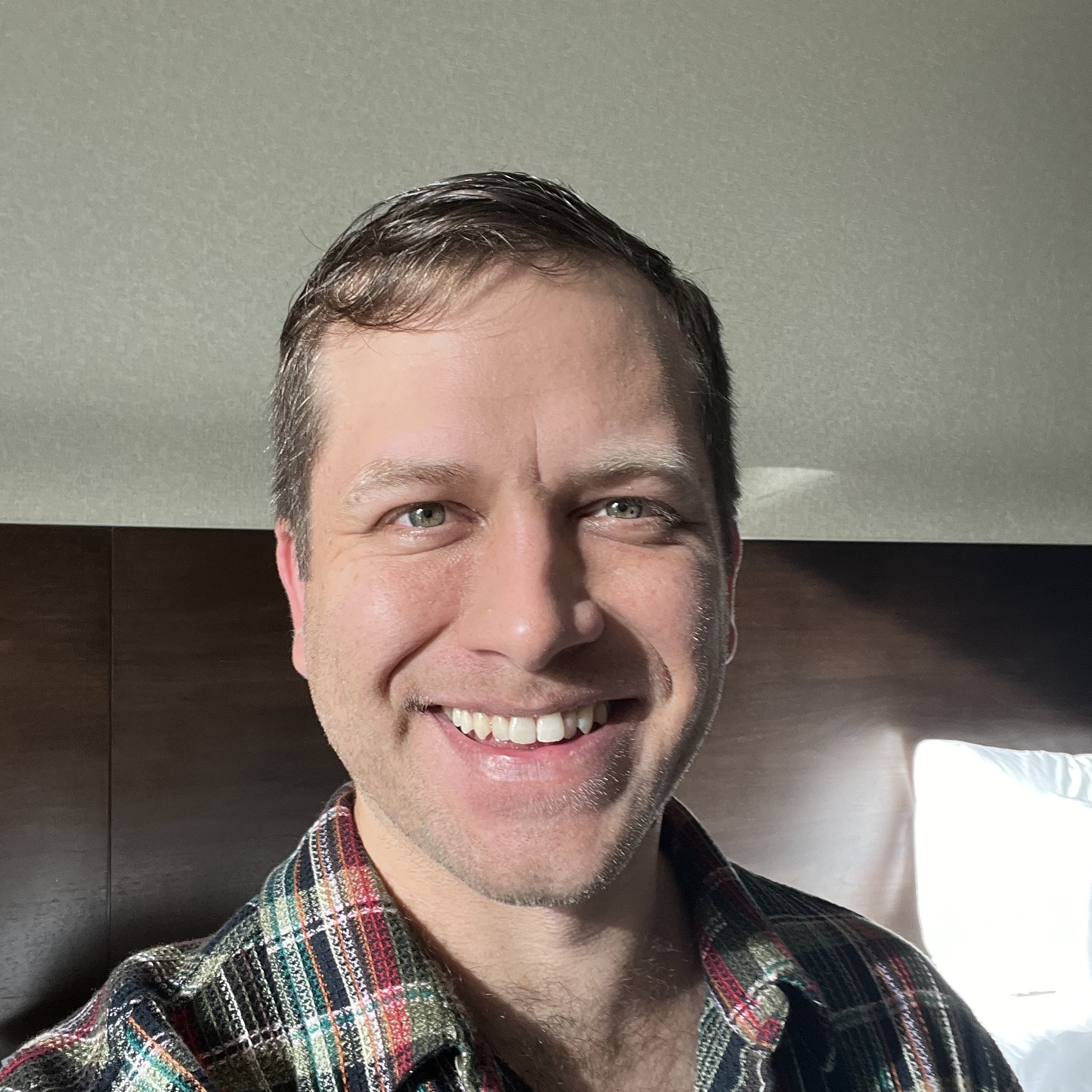
Evan Warfel
he/him
Evan is a fourth-year Ph.D. student. His research interests include personality development in general, and in family contexts in specific. More details can be found on his google scholar page. After receiving his B.A. in Cognitive Science from UC Berkeley, he worked in the Tech industry as a data scientist for several years. Outside of research, he enjoys music and choral singing, writing, partner dancing, and hiking.
Colin Lee
he/him
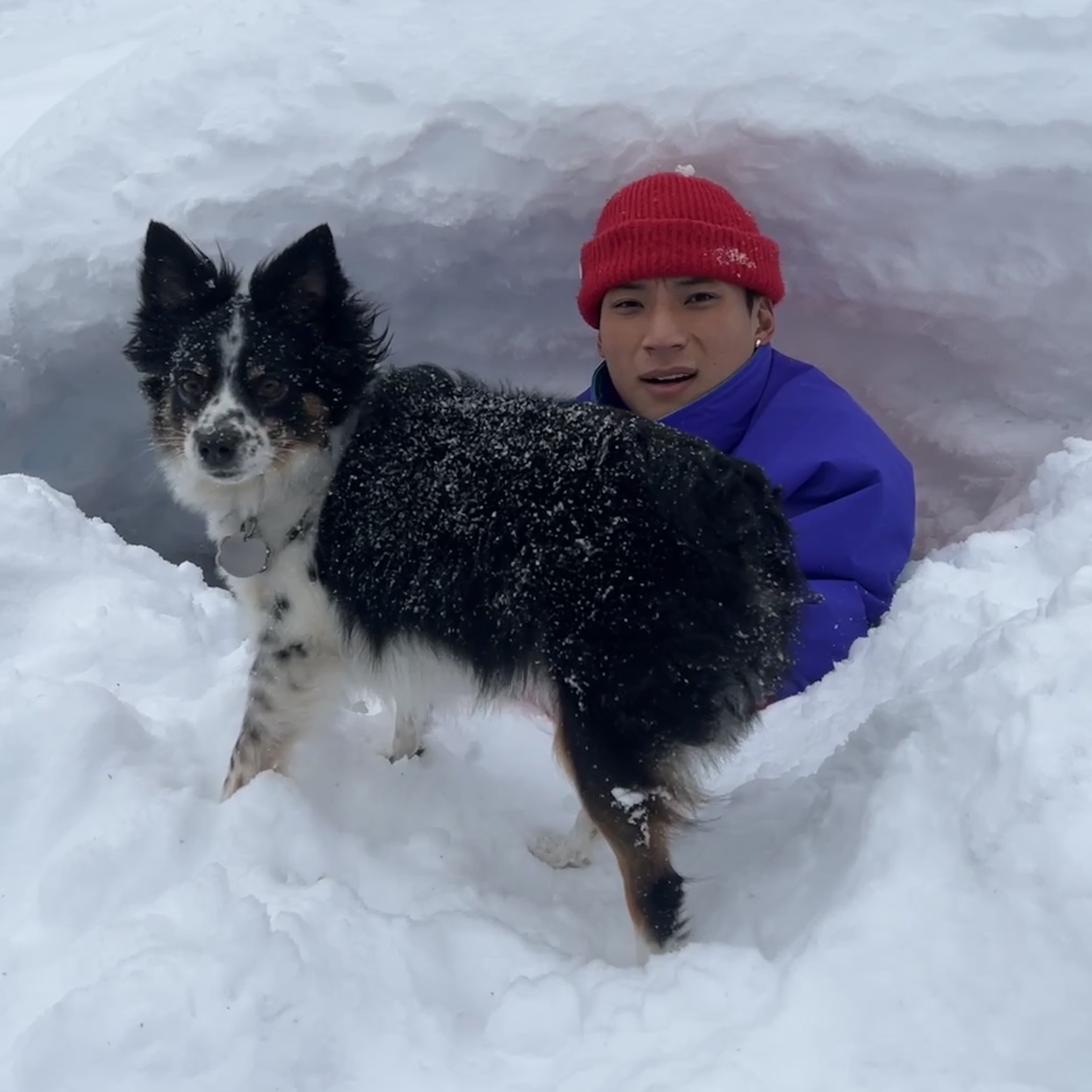
Colin is a third-year PhD student in the lab investigating the idiographic dynamics of personality using a variety of quantitative approaches. His research frames personality as a dynamic, multivariate system. He aims to understand the relationship between a person, the situation, and observed behaviors in everyday life. Outside of the lab, Colin golfs, skateboards, and wrangles his two dogs.
Rocci Vizzusi
he/him
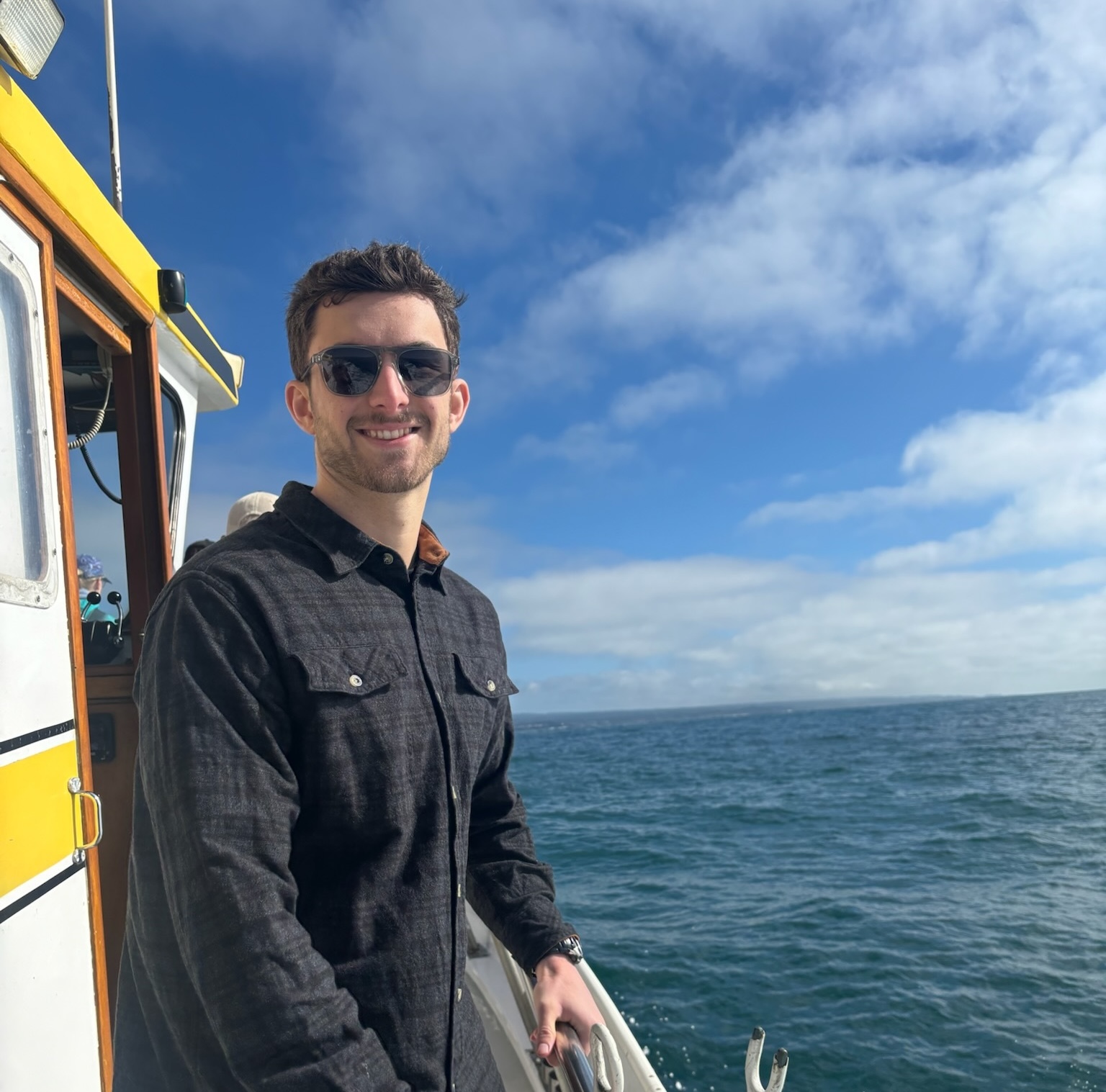
Rocci is a first year PhD student in the Beck lab. He conceptualizes personality as a complex, dynamic system. His research seeks to apply novel conceptual, measurement, and analytic techniques to reveal connections between persons, situations, and behaviors in daily life. In his free time, Rocci enjoys spending time with his partner, Bella, and training Brazilian Jiu Jitsu.
Lab Manager
Maylin Zhu
she/her
Maylin received her B.A. in Psychology and B.A. in Statistical Science from Cornell University in 2025. Her previous research has involved topics such as romantic relationships and implicit perception. She enjoys jogging, reading, and going to dance class.

Undergraduate Research Assistants
Alinda Lau
pronouns
Alinda joined the lab in Summer 2026 and is currently pursuing a B.S. in Cognitive Science as well as a B.A. in Psychology. She is interested in how people both change and stay the same across contexts, and how different factors work in combination to influence decision-making. In her free time, Alinda likes to side quest with friends, read books, play video games, and spend time with family.
Eleanor Seo
pronouns
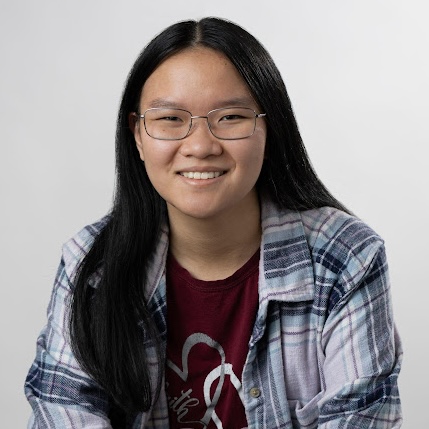
Eleanor joined the lab in Spring 2026 and is pursuing a degree in psychology and mathematics. She joined the lab to explore the diverse fields of psychology and gain research experiences. She is interested in incorporating mathematics to measure and model individual differences and how one’s different experiences influence personality and decision-making. Outside the lab, she enjoys reading books, listening to music, and hanging out with friends.
Emma Yao
pronouns
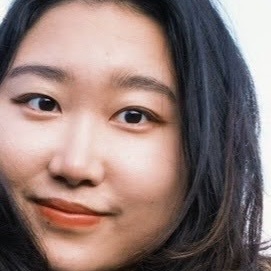
Emma joined the lab in Summer 2026 and is currently pursuing a degree in biological sciences. She is interested in how personality can act as a predictor for physical wellbeing as individuals age. In her free time, she likes to knit and try new recipes.
Jeddy Chan
pronouns
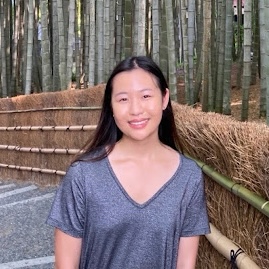
Jeddy is a fourth year research assistant majoring in Psychology and History. He is interested in researching stress and mental illness, as well as how personality influences individual behavior and life outcomes. In his free time, Jeddy likes to watch shows and play video games, with some reading and outdoors activities here and there!
Kegen Wells
pronouns
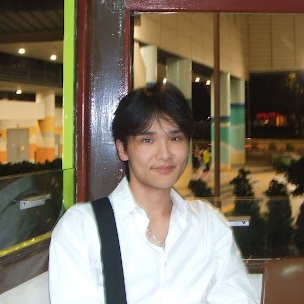
Kegen joined the lab in Spring 2026 and is entering her fourth year as a psychology and linguistics double major with a minor in education. She is interested in learning more about how personal experiences shape thought processes and decision-making, especially in the formative years of development through childhood. Outside the lab, she enjoys creative writing, nannying, watching hockey, traveling, campus advocacy work (especially for former foster youth), and spending time with family, friends, and her dog, Ford.
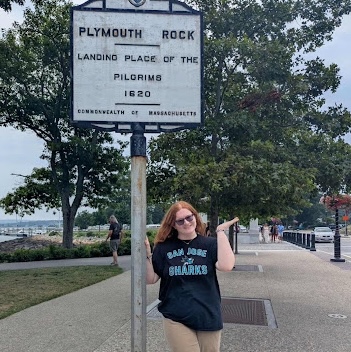
Luke Penner
pronouns
Luke is a fourth year undergraduate student who joined the lab in Spring 2026. He is majoring in psychology and currently researches the intersection between social support and physical health, with the goal of pursuing a career as a clinical psychologist. Outside of the lab, he enjoys reading philosophy as well as playing video games.

Summer Kimpton-Brown
pronouns
Summer joined the lab in Spring 2026. She is currently in her fourth year pursuing a B.A. in Psychology and a B.S. in Human Development all the way from the UK. She is interested in exploring how individual differences in personality combine to produce different behaviours among people. Outside of the lab, Summer enjoys traveling and exploring new places, trying new coffee spots, and going to concerts.
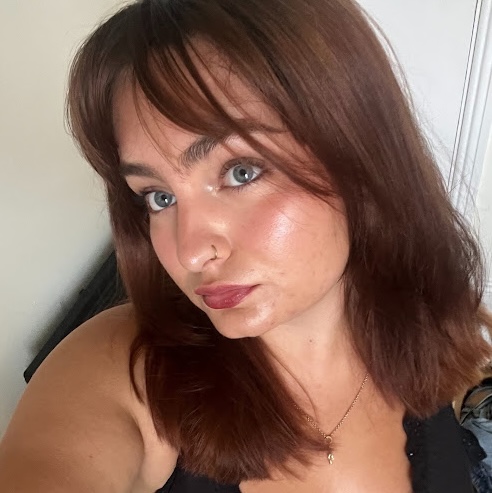
(Dog) Research Assistants
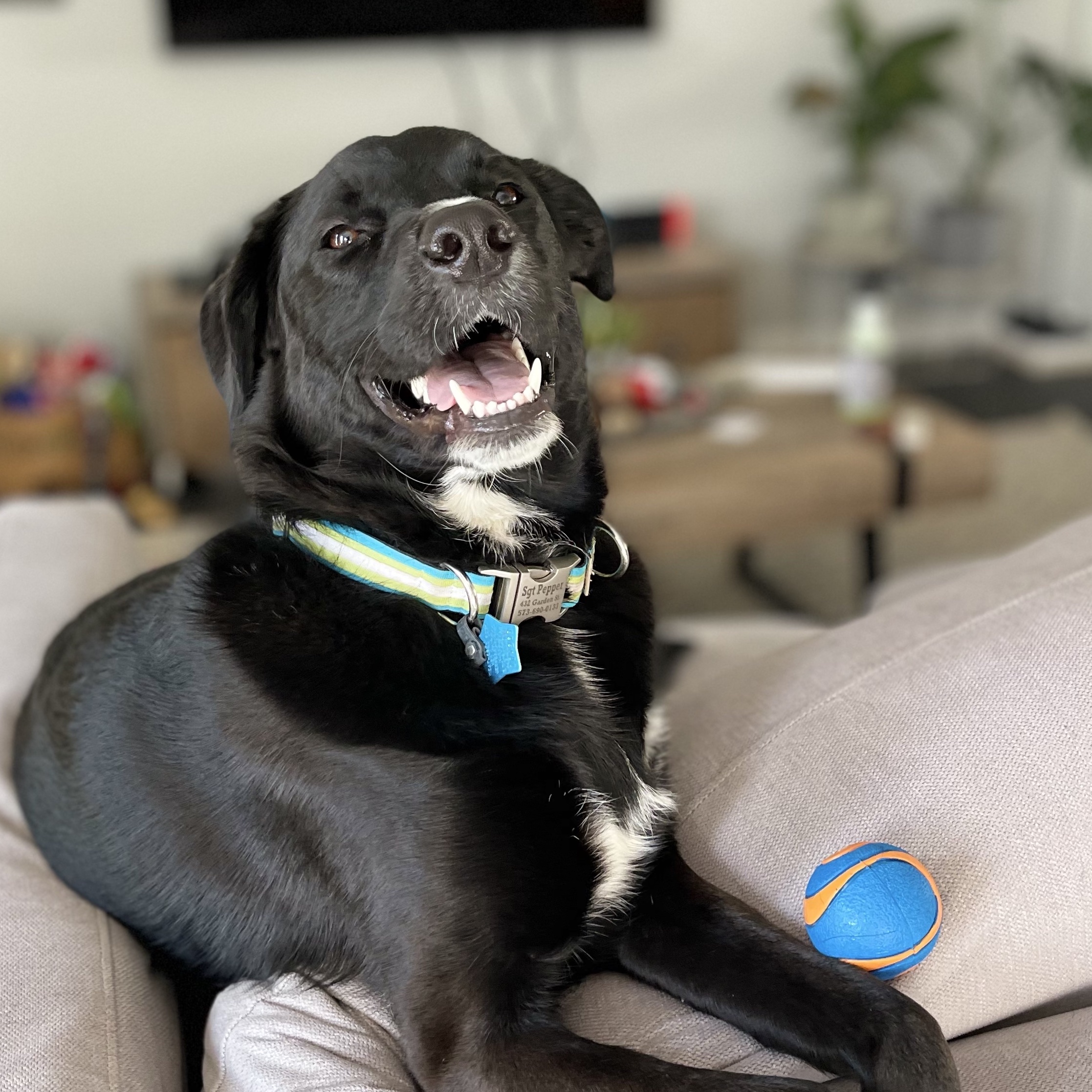
Sgt Pepper
Sgt Pepper is Emorie’s two-year-old lab German Shepherd mix. Pepper is a great case for the validity of cardinal traits. Like many pandemic pups, anxiety is her dominant emotion, but she’s also the sweetest, friendliest girl who will greet everyone with circle wags and wiggles. When not staring anxiously at mom, she can be found licking mom, refusing to eat, and grumbling. Alternate names include Peppy, Grumbles, Perfect Pepper, Pretty Pepper, and Wiggles.
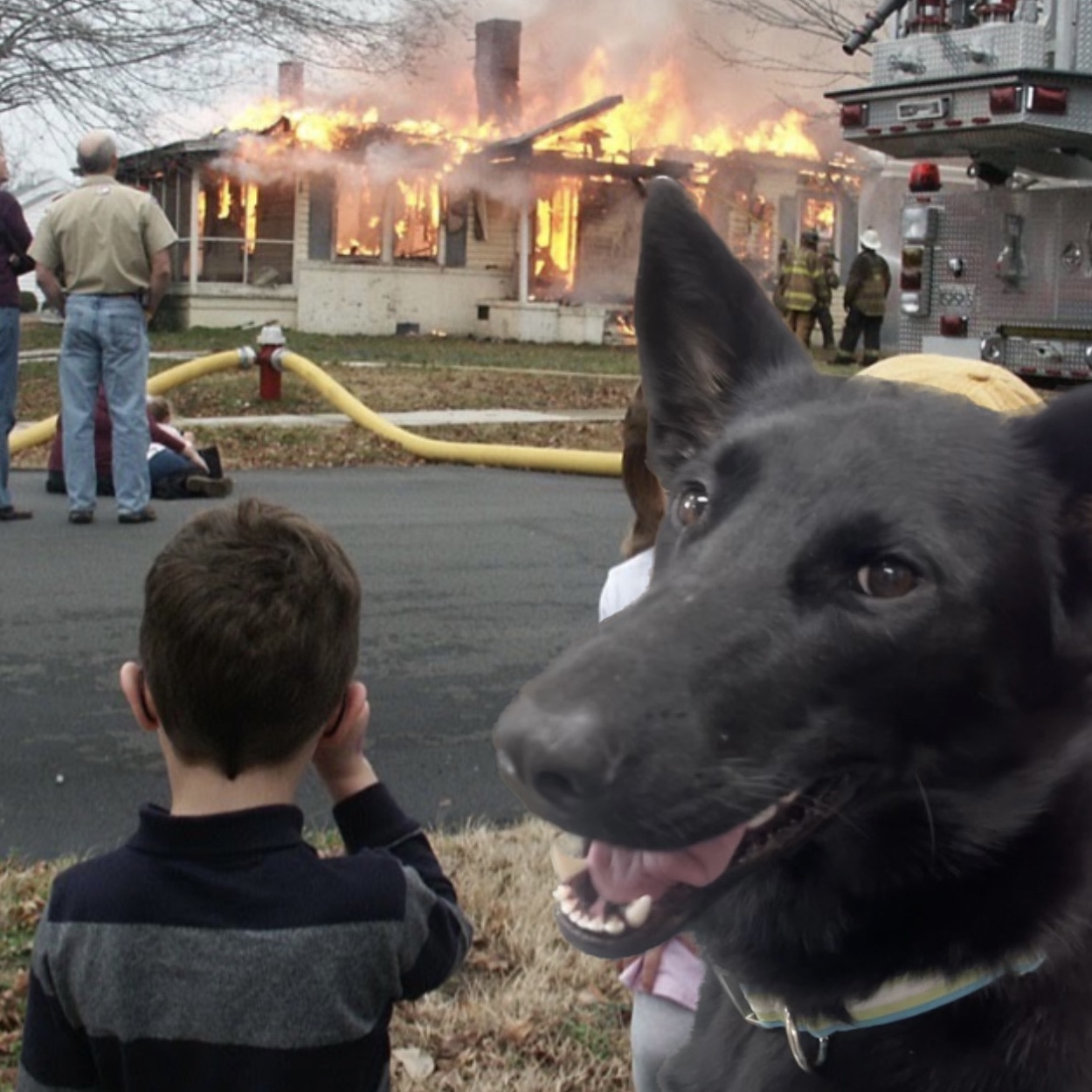
Apple
Apple is Emorie’s one-year-old mysterious mixed breed dog. If she was a Pokémon, she’d be a ghost and dark type. Apple is pure reinforcement and social learning at work. She observes the probability of favored outcomes and acts accordingly, updating her priors based on the result. When not staring menacingly at mom and dad, she can be found on her back, chewing something, or plotting world domination. There are a least 13 distinct voices in her head. Alternate nicknames include Applegator, Demon, Ancient Evil, Hellhound, and Nibbles.
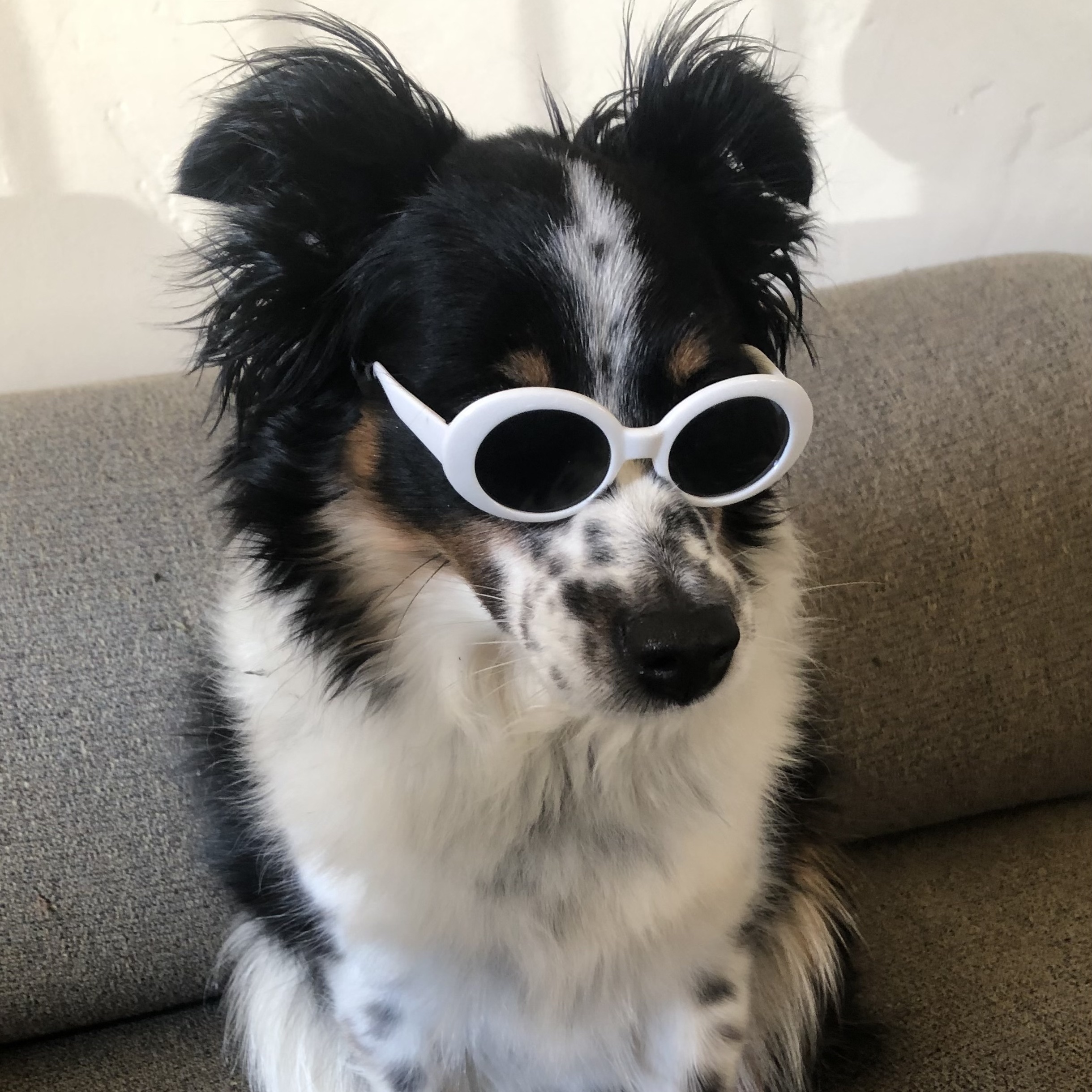
Syd
Syd is Colin’s miniature Australian Shepherd. When she is not eating, she is barking. When she is not barking, she is sleeping. She has a beautiful soul.
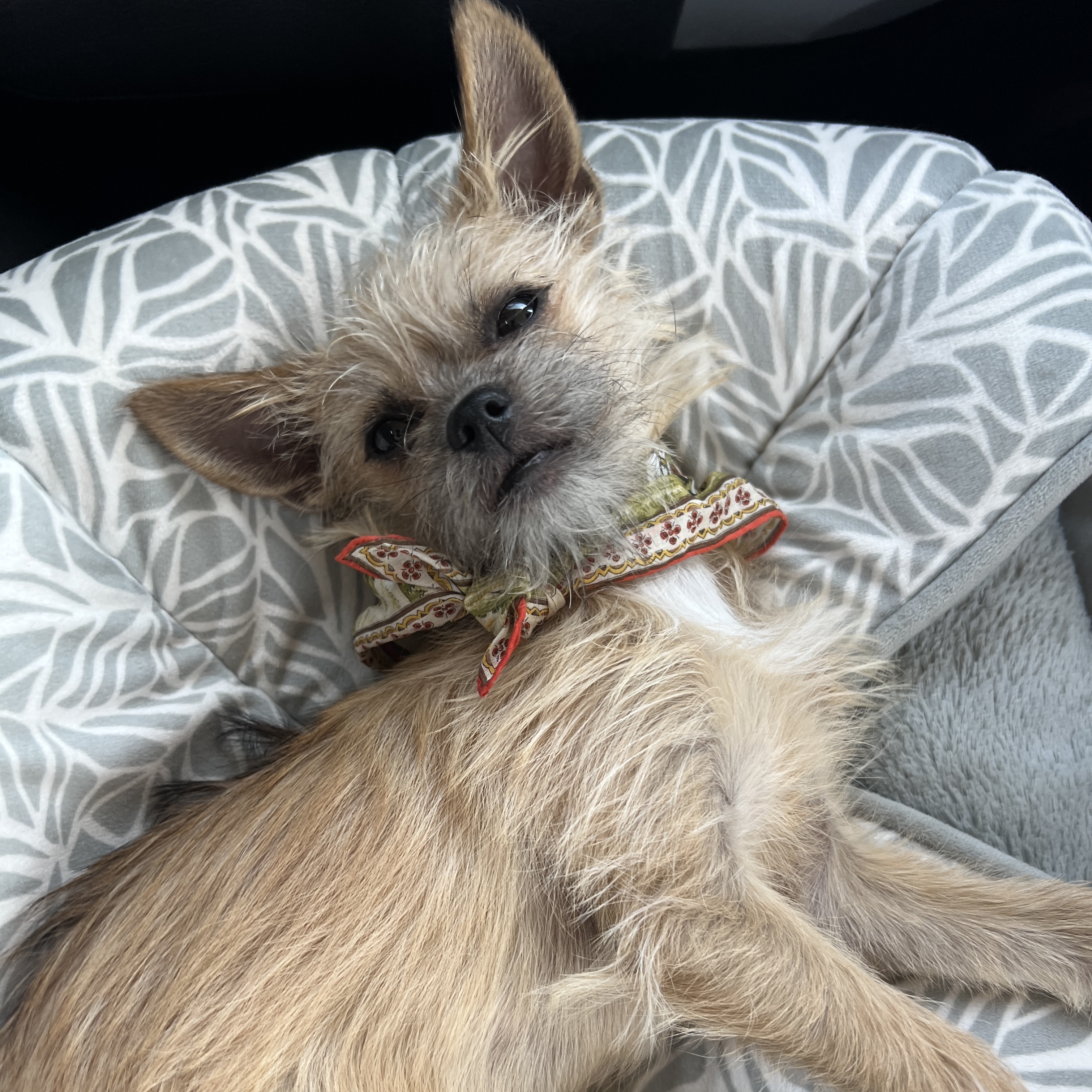
Francis
Francis is Colin’s Terrier mix. He thought she would be bigger. Her old man beard nearly masks her puppy exuberance. She gets cold easily, but her heart is warm and full of love.
Lab Alumni
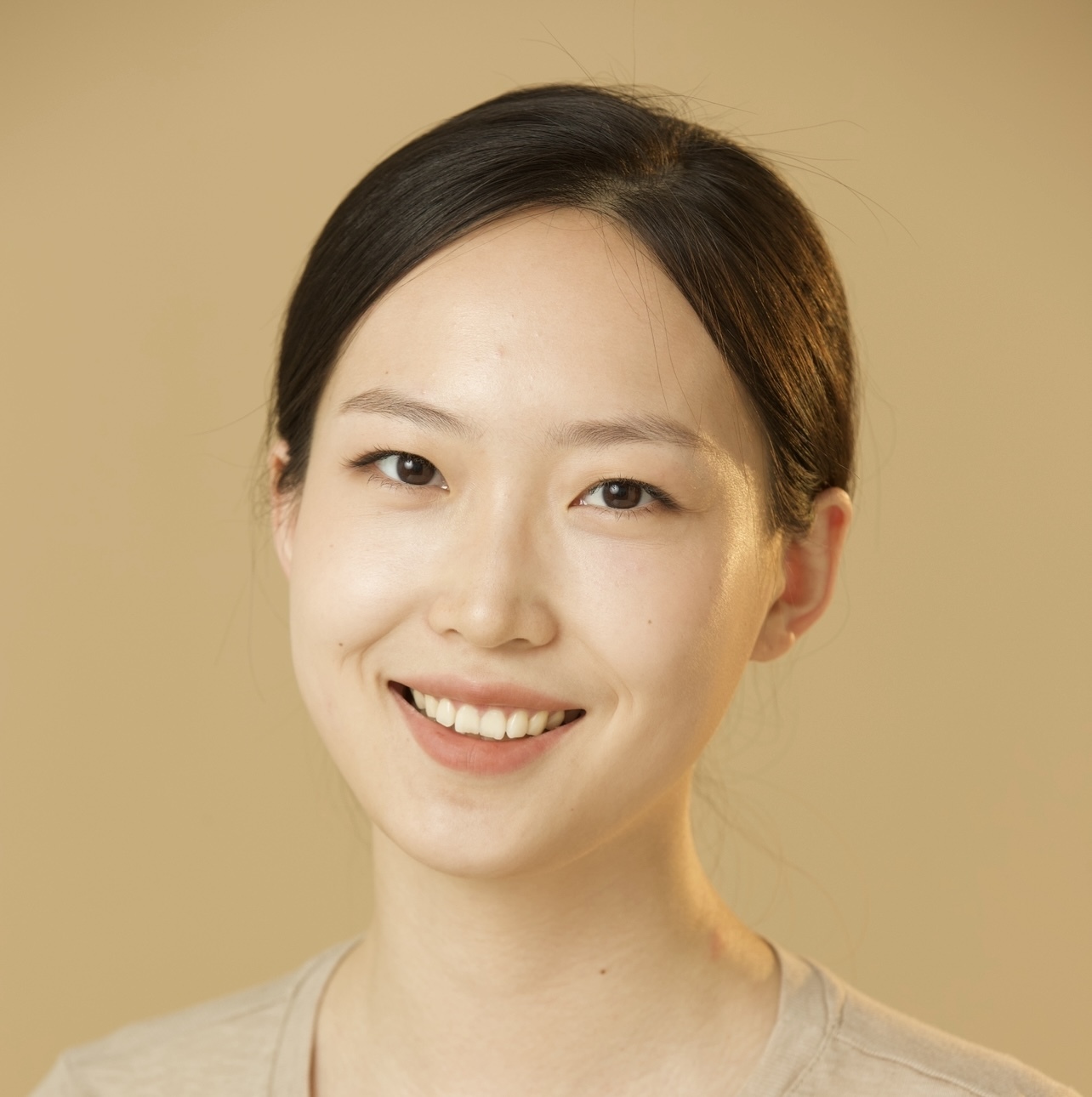
Rongxin Cheng
she/her
Rongxin is a postdoctoral fellow at the University of California, Riverside. She received her B.A in Social Science from New York University Shanghai in 2019, and her M.A. in Social Psychology from New York University in 2021, and her PhD from UC Davis in 2025. Rongxin’s research examines how changes in individual factors (e.g., personality and psychopathology), contextual factors (e.g., parenting, school experience, neighborhood environment, and sociocultural values on education), and the interaction between these factors would predict educational outcomes. She is also enthusiastic about applying new quantitative methods and statistical models to research.
Angel Orozco
they/them
Angel Orozco is a former PhD student in the lab who investigated how people perceive and make sense of gender, including bias, learning, and conscious and unconscious processes.